A crack tells you something happened. It does not tell you whether it is still happening, and that is the only question that decides whether to spend money.
Why a year
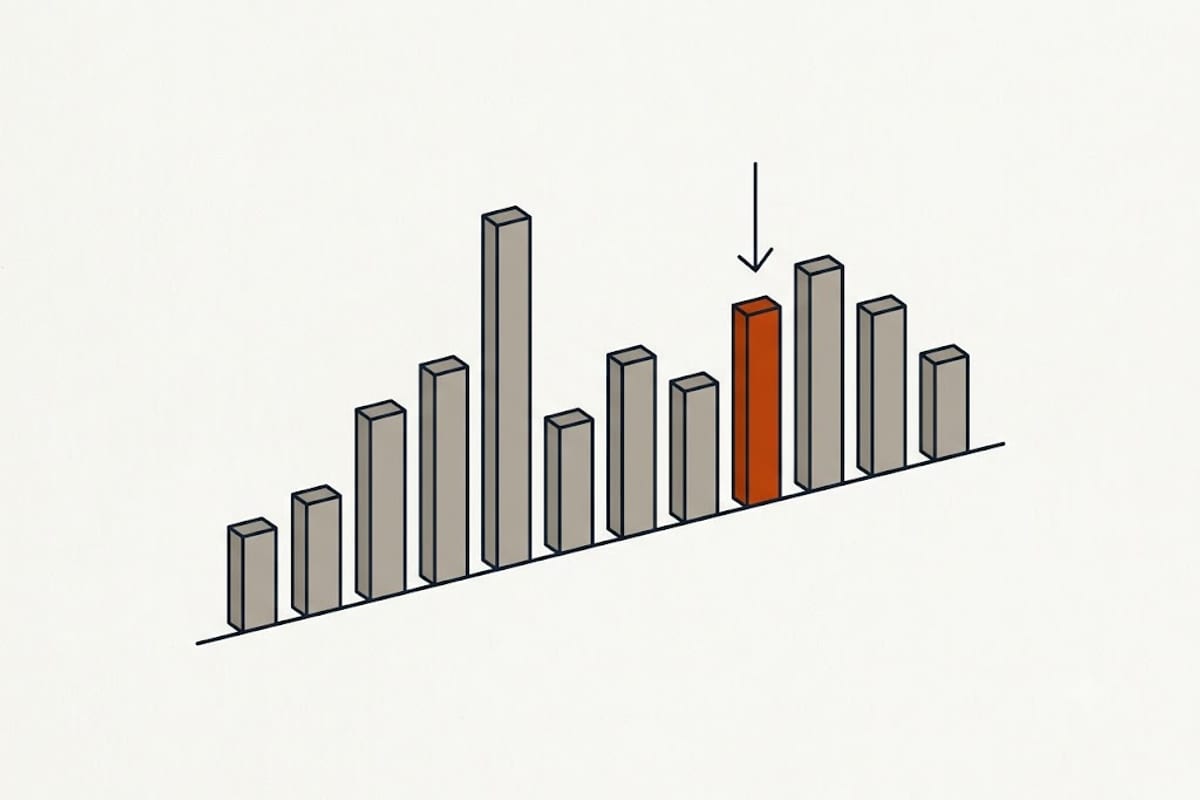
Houses on expansive soil move seasonally. A measurement taken in March and again in September captures the swing, not the trend, and the swing can be larger than the trend.
Twelve months of readings covers a full wet and dry cycle. Movement that returns to where it started is seasonal; movement that ratchets one way is settlement.
Six months is enough to see whether something is moving fast. Twelve is what distinguishes seasonal from progressive.
What to measure
Crack width, at a marked point, with a crack gauge or feeler gauges. Mark the point with a pencil circle so the same spot is measured every time.
Crack length, by marking each end with a dated pencil line.
Floor elevations, ideally with a laser at a handful of fixed reference points marked on the floor.
Door gaps, photographed with the door closed.
All four, monthly, written in the same place with the date and a note of recent weather.
Tools
A crack monitoring gauge — two overlapping plates fixed either side of the crack with a vernier scale — costs very little and gives a direct reading of movement in two axes.
A laser level for floor readings. A rotary laser is better than a line laser for this, and it can be hired.
A camera and a small ruler.
That is the whole kit, and it costs a small fraction of an engineer's visit.
What the record is worth
An engineer looking at a crack can tell you what mechanism it suggests. An engineer looking at twelve months of measurements can tell you whether it is active, how fast, and whether it correlates with the seasons.
The second opinion is far more useful and it costs the same. The difference is entirely in what you bring.
It is also the document that makes contractor quotes comparable, because it establishes whether the house needs stabilising at all.
Do the cheap fixes during the year
Monitoring is not doing nothing. During the twelve months, fix the gutters, extend the downspouts, correct the grading, and check for a plumbing leak.
A meaningful share of houses stabilise once water is managed, and the monitoring record is what demonstrates it. That is the best possible outcome: the problem resolved for the price of a downspout extension, with evidence.
When not to wait
Monitoring is the right approach for slow, cosmetic, uncertain cases. It is the wrong approach when:
A wall is bowing or has a horizontal crack — different mechanism, and it does not improve.
Movement is visibly fast — a crack that opened noticeably in weeks.
A door or window cannot be operated, or there is a trip hazard.
You are selling and need the question resolved.
In those cases, get the engineer now and monitor afterwards if the recommendation is to watch.
What good record-keeping looks like
One notebook or one spreadsheet. Date, reading, location, weather note. Photographs filed by date.
Twelve entries. Twenty minutes a month. It is the least expensive thing in this whole subject and the most likely to change the decision.
Reading the record afterwards
Plot the crack width against the month. Three shapes appear in practice.
Flat — no meaningful change across the year. The crack is historic and the house is stable. Nothing to do.
Sawtooth — widening in the dry season, closing in the wet, returning to roughly the same place. Seasonal soil movement. Manage moisture, keep monitoring, do not pier.
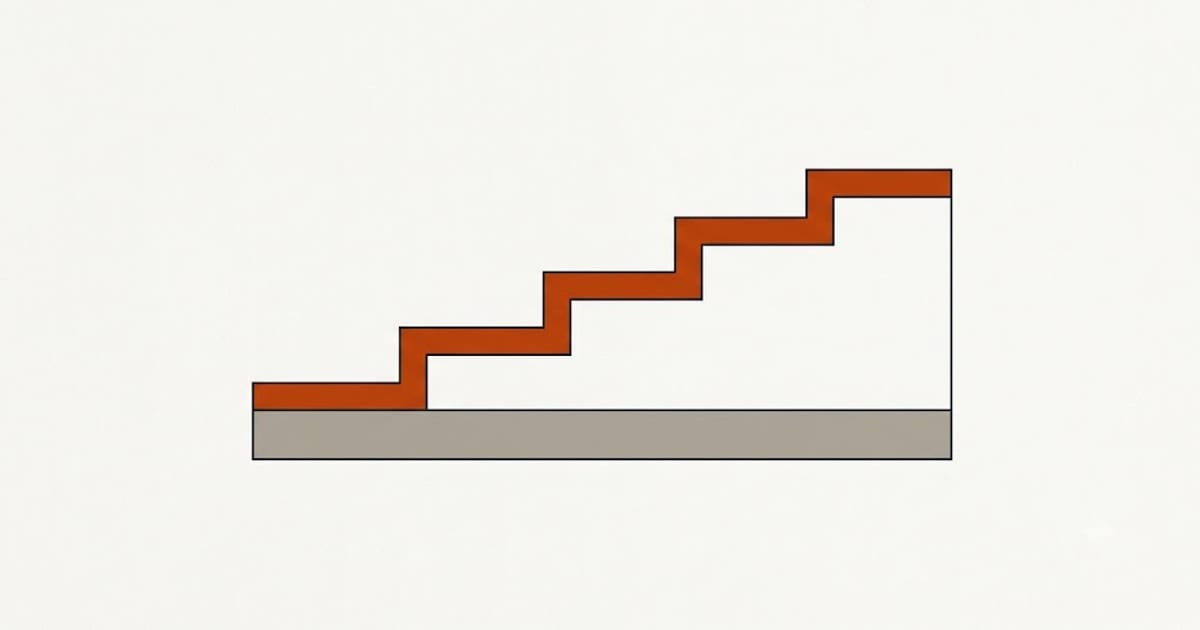
Staircase — widening in the dry season and closing only partway, so each year starts wider than the last. Progressive settlement. This is the shape that argues for an engineer and a repair.
Those three are distinguishable from a year of readings and from nothing else. A single measurement, however carefully taken, is consistent with all three.