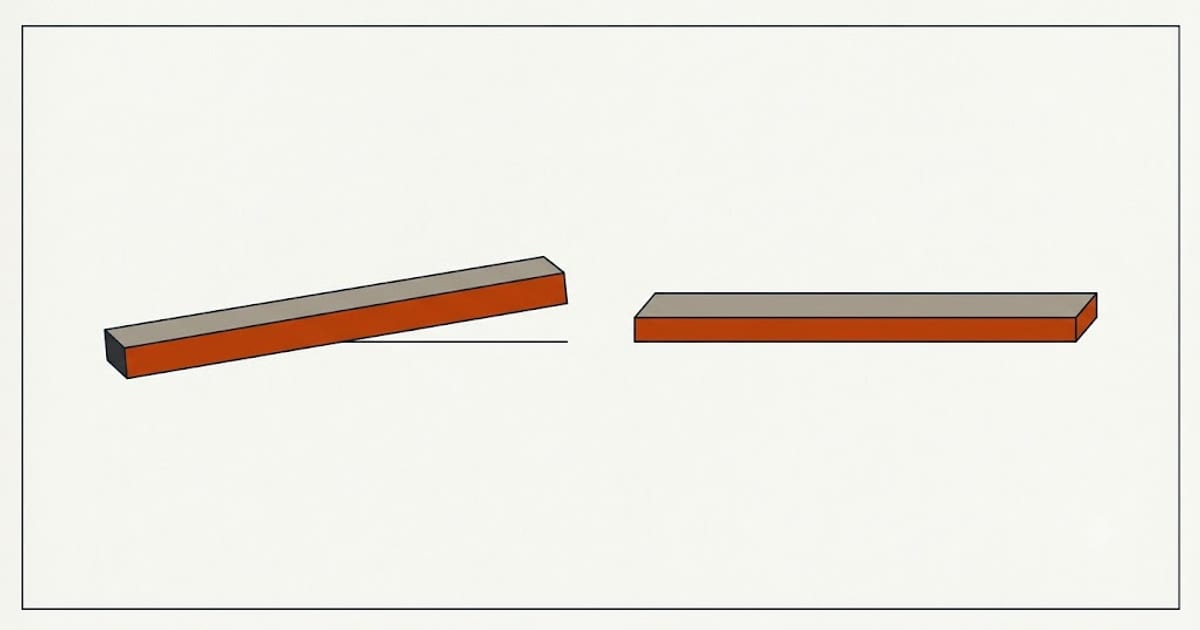
Once piers are installed, there are two things they can do. Stabilisation holds the foundation at its current position and stops further settlement. Lift applies hydraulic pressure to raise it back toward its original elevation.
Most homeowners assume the second is the goal. Most experienced contractors treat it as a bonus.
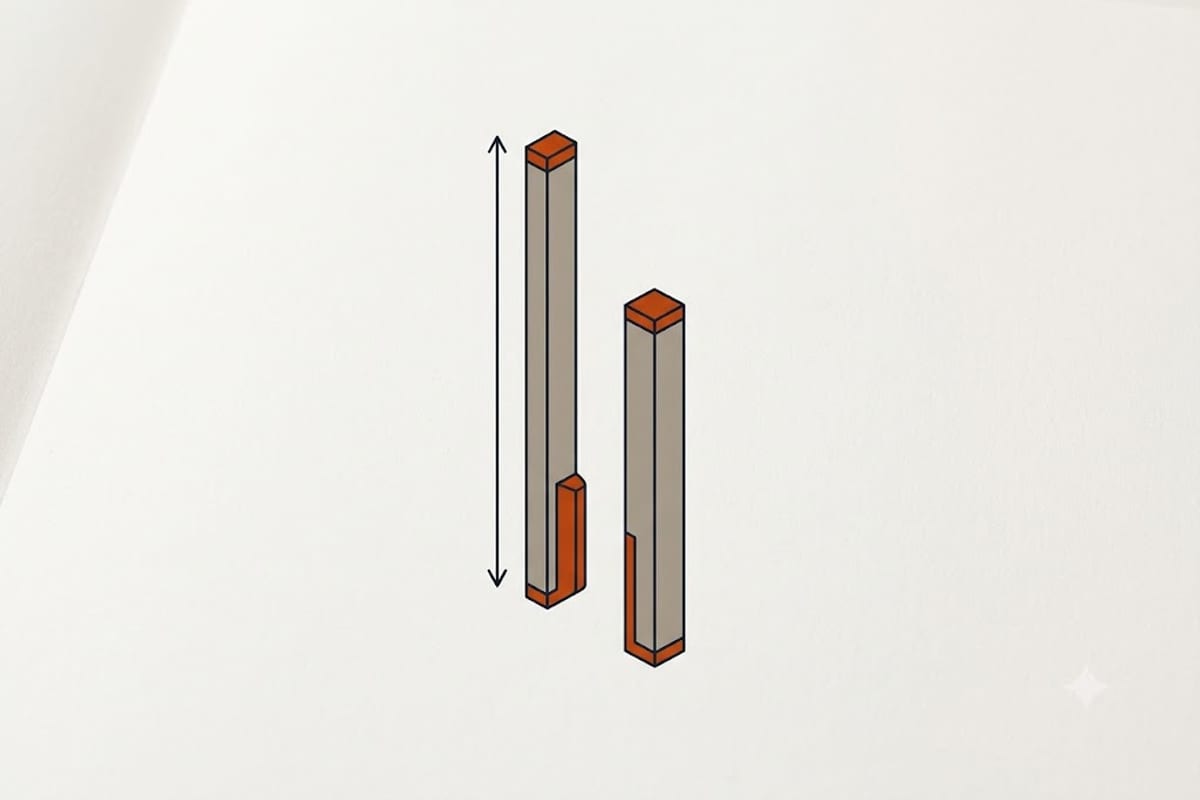
Why lifting causes damage
A house that has settled over years has adjusted to its new shape. Drywall has cracked and been patched, doors have been planed, tile has cracked and been grouted, plumbing has taken a set.
Raising it reverses all of that at once, in a few hours. Cracks close in some places and open in others. Tile that survived the settlement cracks on the way back. Drywall seams that were repaired reopen. Plumbing connections that had settled into position are stressed the other way.
Full recovery to original elevation is technically achievable on some houses and it frequently produces more visible damage than the settlement did.
What recovery is realistic
Contractors commonly describe recovering a meaningful fraction of the settlement, taken slowly and stopped when the structure resists.
The honest way to hear that is: piers will hold the house, some of the movement will come back on its own as load transfers, and the crew will take what the building gives without forcing it.
A contractor promising to return the house to level should be asked what happens to the finishes if it does, and whether repairing them is included.
Where lift is genuinely worth pursuing
A door or window that cannot be operated — recovering enough to restore function is a practical goal rather than an aesthetic one.
A floor slope severe enough to be a trip hazard.
Plumbing that has been pulled out of fall, where drainage no longer works.
In each case the target is a functional threshold, not a level.
Where stabilisation alone is the right answer
Slow, long-standing settlement that has already been cosmetically repaired. The house works; it just needs to stop moving.
Historic or brittle finishes — plaster, original tile, stone — where the risk of lifting exceeds the benefit.
Where the settlement is small. Recovering a half-inch is not worth disturbing a whole house.
What should be in the contract
The intent, stated plainly: stabilise, or stabilise and attempt lift. These are different scopes and often different prices.
If lift is included, the contract should say who repairs the cosmetic damage caused by lifting — drywall, tile, trim. Frequently the answer is nobody, and that is worth knowing before rather than after.
Also worth agreeing: what happens if the structure resists lift and the crew stops partway. That is a normal outcome and it should not be a dispute.
Measure before and after
Have floor elevations taken across the house before the work, with a laser or a manometer, and recorded on a plan. Repeat afterwards.
Without that, "we recovered an inch and a half" is an assertion. With it, it is a measurement, and it is also the baseline against which any future movement is judged.
How the lift is actually done
With the piers installed and brackets attached to the footing, hydraulic rams are placed at every location and pressurised together rather than one at a time. Lifting a single point raises that spot and racks everything around it.
The crew watches for the structure to resist — a rise in pressure without movement, or the appearance of new cracking — and stops. On most houses that point arrives before level.
The whole operation takes hours rather than days, which is why the decision about how far to go has to be made before it starts rather than during.
What happens afterwards
Doors and windows that were adjusted for the settled position may need adjusting back. Cabinet doors, shower doors and anything else fitted to a sloped floor is in the same category.
Budget time for that, and expect a period of a few weeks where new hairline cracking appears as the structure settles into its new position. That is normal after a lift and is not a sign of failure.
The question that settles the argument
Ask the contractor what they would do on their own house. In expansive-soil regions the answer from experienced people is very often stabilise, recover what comes back, and leave it — because they have seen what a forced lift does to the finishes.