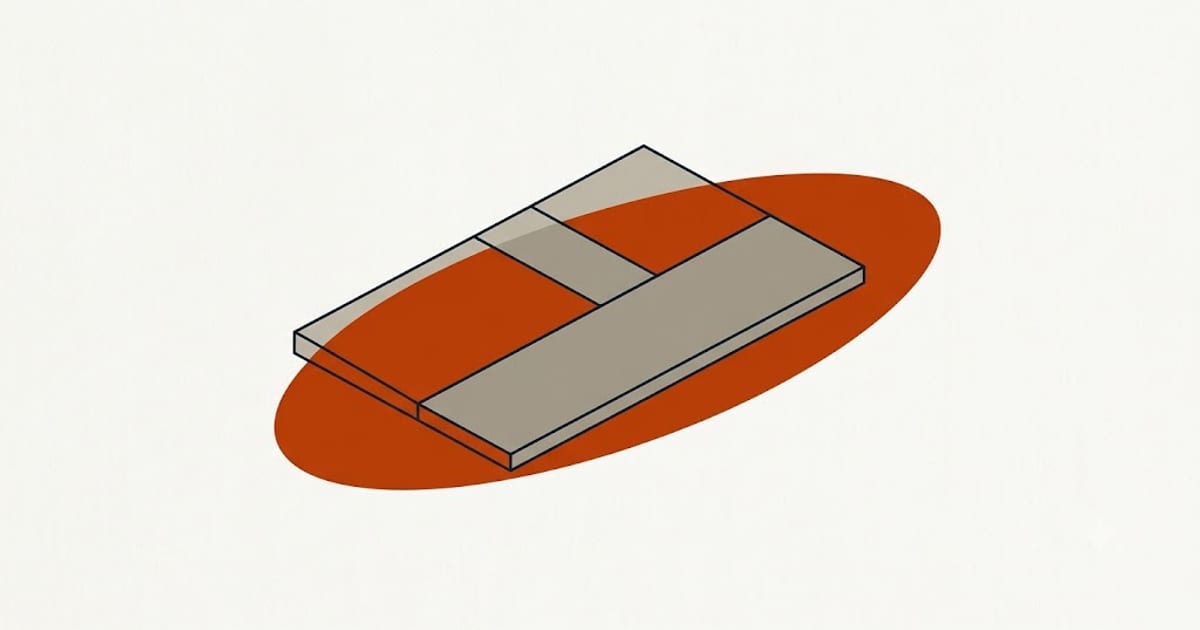
The image most people have is roots growing under a footing and lifting it. That happens occasionally, mostly to shallow paving and light slabs.
On expansive clay, the real mechanism is different and far more damaging: the tree removes water from the soil, the clay shrinks, and the foundation above it settles.
How far the influence reaches
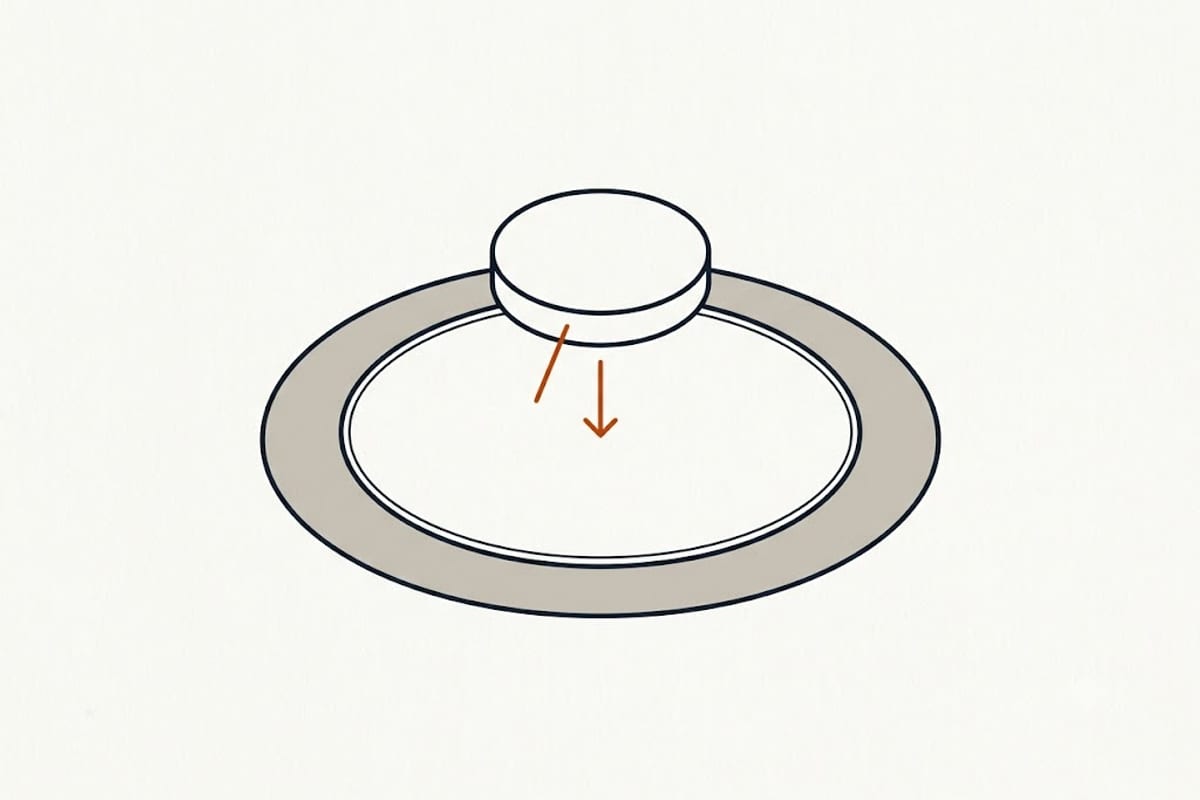
Roots extend well beyond the canopy — commonly to at least the canopy radius again, and considerably further in dry conditions for thirsty species.
Guidance in expansive-soil regions frequently suggests keeping large trees at least as far from the house as their mature height, which for a large shade tree is a substantial distance and is not how most gardens were planted.
Species matters. Willows, poplars, elms, oaks and eucalypts are heavy water users. Slow-growing, small species draw far less.
The seasonal signature
The damage pattern from a tree is characteristic: worst in late summer and in drought, concentrated on the side of the house nearest the tree, and partially recovering in wet seasons.
That recovery is what distinguishes it from progressive settlement, and it is also what makes it easy to dismiss for several years until a severe drought produces movement that does not come back.
Removing the tree is not automatically the answer
This surprises people. On clay that has been kept dry by a mature tree for decades, removing the tree lets the soil rewet and swell, and the resulting heave can crack a house as badly as the original settlement.
The risk is highest where the tree is large, old, and close, and where the clay is highly expansive. In those cases the recommendation is often to manage the tree — crown reduction on a regular cycle, or a root barrier — rather than remove it.
Where removal is the right call, doing it gradually or accepting a period of monitored movement afterwards is part of the plan.
Root barriers
A vertical barrier installed in a trench between the tree and the house, deep enough to intercept the roots drawing from beneath the foundation.
Depth is the whole question and it has to reach below the active root zone, which on a mature tree is deeper than most people expect. A shallow barrier diverts roots underneath it and achieves nothing.
This is specialist work and it is worth having specified rather than improvised.
New planting
Where a tree is being planted rather than removed, distance is free at planting time and expensive later.
Use the mature height and spread rather than the size in the pot, choose species appropriate to the soil, and keep large water-demanding trees well away from the house on expansive clay.
Shrubs and small ornamentals close to the wall are a different question — they draw far less, and their main effect is holding moisture against the wall, which argues for a gap rather than a distance.
The other side of the trade
Trees shade the soil and reduce evaporation, provide shade to the house, and their canopies intercept rainfall. Removing every tree near a house produces its own moisture problems.
The goal is not a treeless garden. It is a soil moisture regime that stays reasonably even, and mature trees are one of several things affecting it — alongside gutters, grading, paving and irrigation.
What to do if a tree is implicated
Take floor elevations and note the season. Establish whether movement recovers in wet weather. Consider a root barrier and crown management before removal. And in drought, water the foundation perimeter on that side rather than letting the tree win the competition for what water there is.