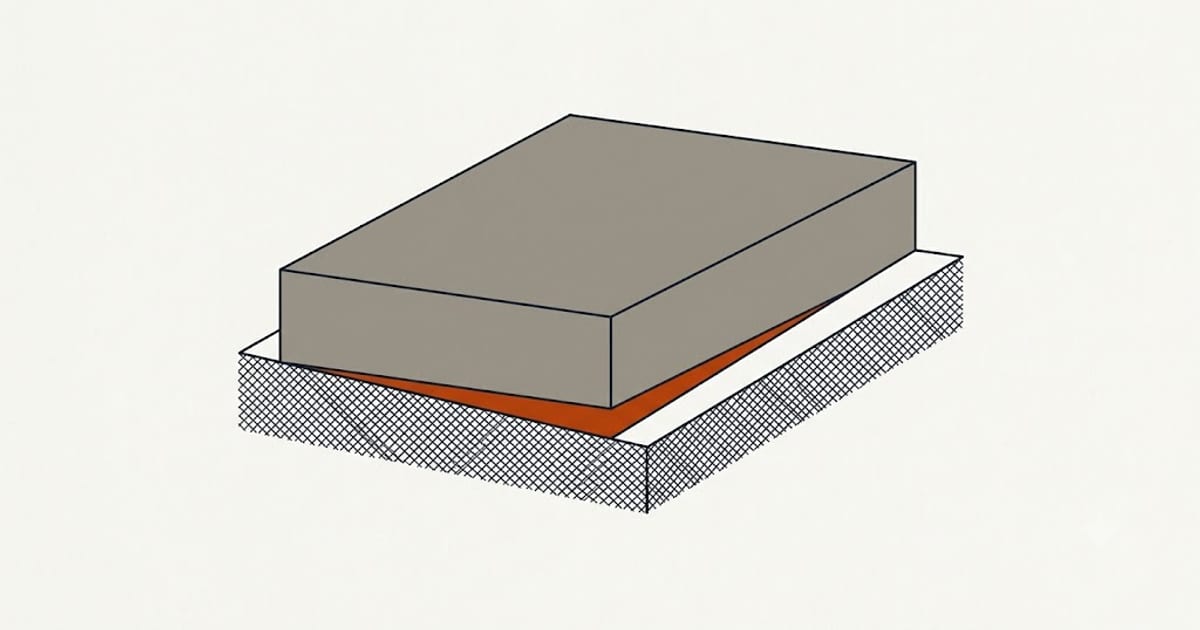
Some clays change volume with moisture content — significantly. A soil with a high shrink-swell potential can move several inches vertically between a wet spring and a drought summer, and a foundation sitting on it moves with it.
This is the dominant cause of foundation problems across large parts of Texas, Oklahoma, Colorado, and much of the Midwest and South.
The signature: it comes and goes
That is the diagnostic, and it separates soil movement from true settlement.
- Doors that stick in late summer and free up after the winter rains
- Cracks that open and partly close on a seasonal cycle
- Worse near large trees, which draw enormous quantities of water out of clay
- Worse along the sunny elevation, which dries fastest
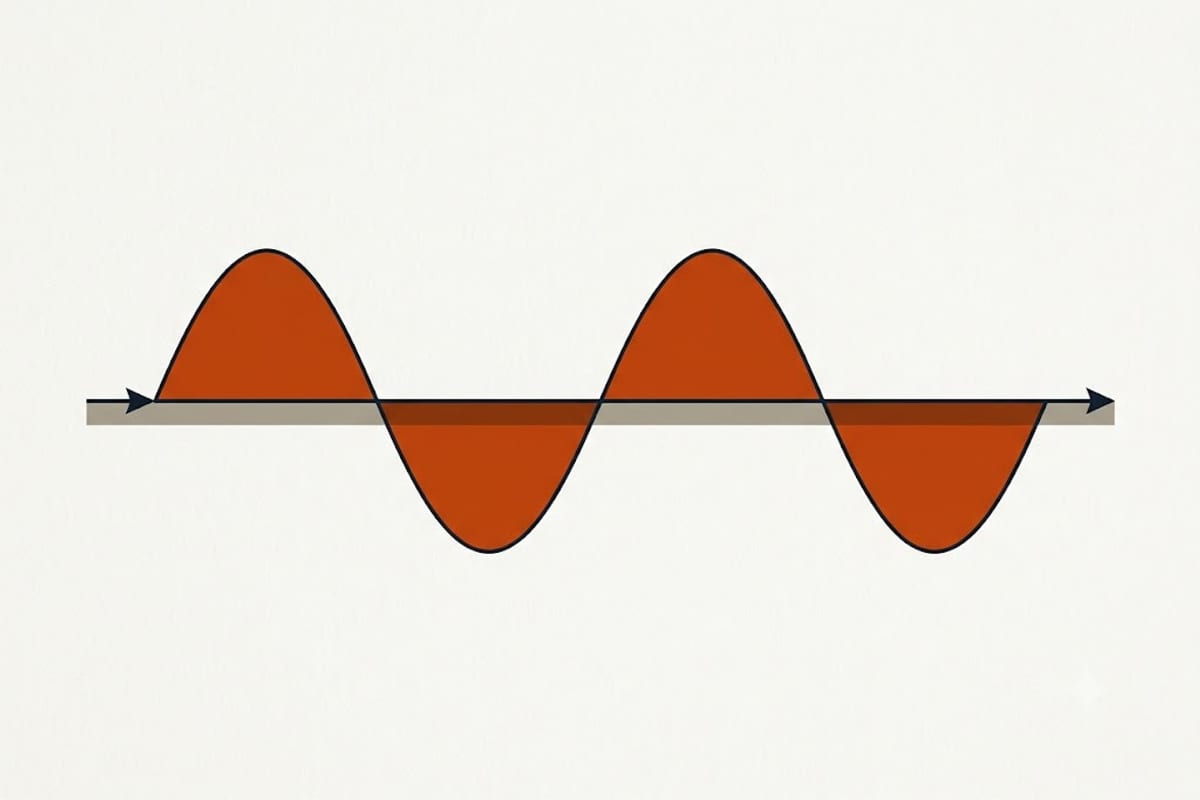
True settlement does not reverse. If the problem is worst every August and better every March, the soil is doing it — and that changes what the right response is.
Why trees matter so much
A mature tree can transpire hundreds of gallons a day in summer. Drawn from clay within its root zone, that dries the soil, the clay shrinks, and the ground under the nearest corner of the house drops.
Removing a large tree close to a house is not automatically the answer either — the soil then rehydrates and swells, which can heave that corner upward. Both directions cause damage, and a tree that has been there for decades has established an equilibrium.
This is a case for advice before action.
What actually helps
Consistent moisture, not more or less. The goal is to stop the swing, not to pick an end of it.
- Extend downspouts well clear of the foundation — the single biggest lever
- Grade away from the house for the first ten feet
- Soaker hoses placed 12 to 18 inches out from the foundation, run briefly and regularly during drought. This is standard practice in Texas and it looks strange everywhere else.
- Root barriers between large trees and the foundation
- Avoid heavy irrigation on one side only, which creates differential movement — the worst case
Consistency is the objective. A foundation on clay that stays uniformly moist all year moves very little. One that swings from saturated to bone dry moves a great deal, regardless of how much water it gets on average.
When piers are the right answer
When the movement is not reversing — the house is going down and staying down — or when seasonal movement has caused enough cumulative damage that stabilisation is needed regardless.
Piers on clay have a specific requirement: they must reach below the active zone, the depth to which seasonal moisture change reaches. That depth varies by region and can be 10 to 15 feet or more. A pier that stops inside the active zone moves with the soil it was meant to escape, and that is a genuinely common failure.
Ask any contractor how deep the active zone is locally and how they know their piers pass it.
The number a soils report gives you
If you are going to spend anything on this, a geotechnical report is the document worth having. Two figures on it matter.
Plasticity index measures how much the clay will move. Under about 15 is low; over 35 is high, and over 50 means the ground under the house changes volume dramatically with the seasons.
Depth of the active zone is how far down seasonal moisture change reaches. It is commonly 8 to 15 feet and in some regions deeper. Any pier has to pass below it — a pier that stops inside the active zone rides up and down with the soil it was installed to escape, and that failure is common enough to be worth naming in a contract.
Ask any contractor what the local active zone depth is and how they know their piers clear it. A confident, specific answer is a good sign about everything else they will do.
What to do before spending anything
Establish whether it is seasonal. Mark the cracks, date them, and measure across a full year. This is the cheapest and most valuable thing you can do, and it is the step that most often prevents unnecessary work.
Fix the drainage first, and give it a season. On a moisture-driven house that alone can settle the movement down.
Then, if it is still moving, get an engineer — not a contractor — to specify what is needed.