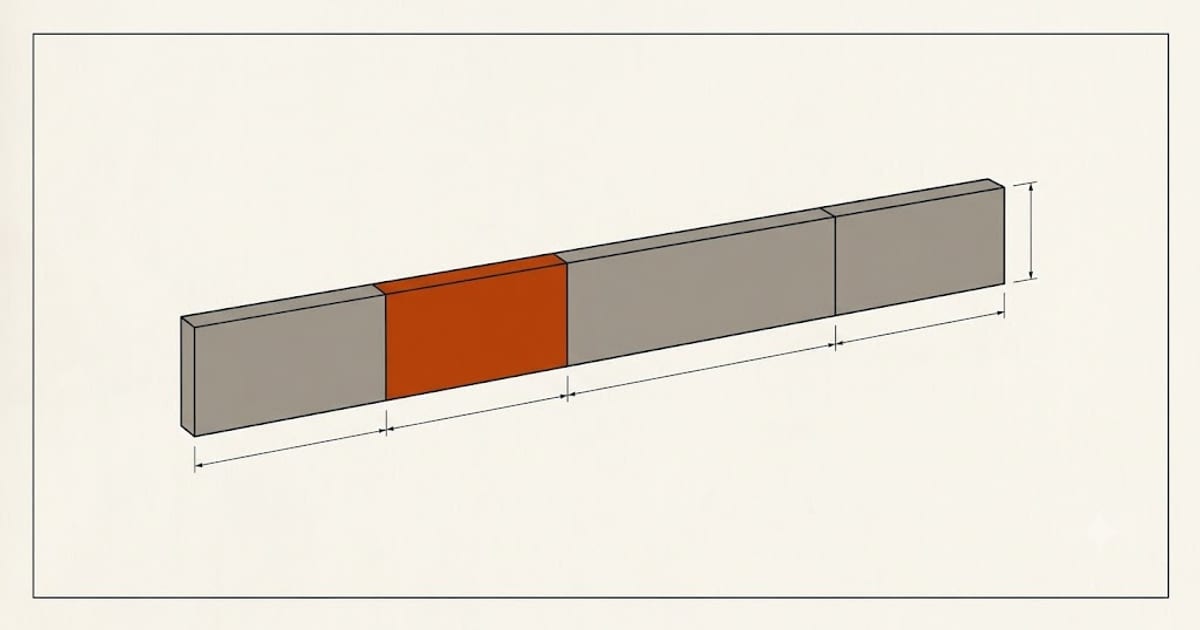
Foundation repair is quoted per pier, which makes quotes look comparable and frequently hides where the money is.
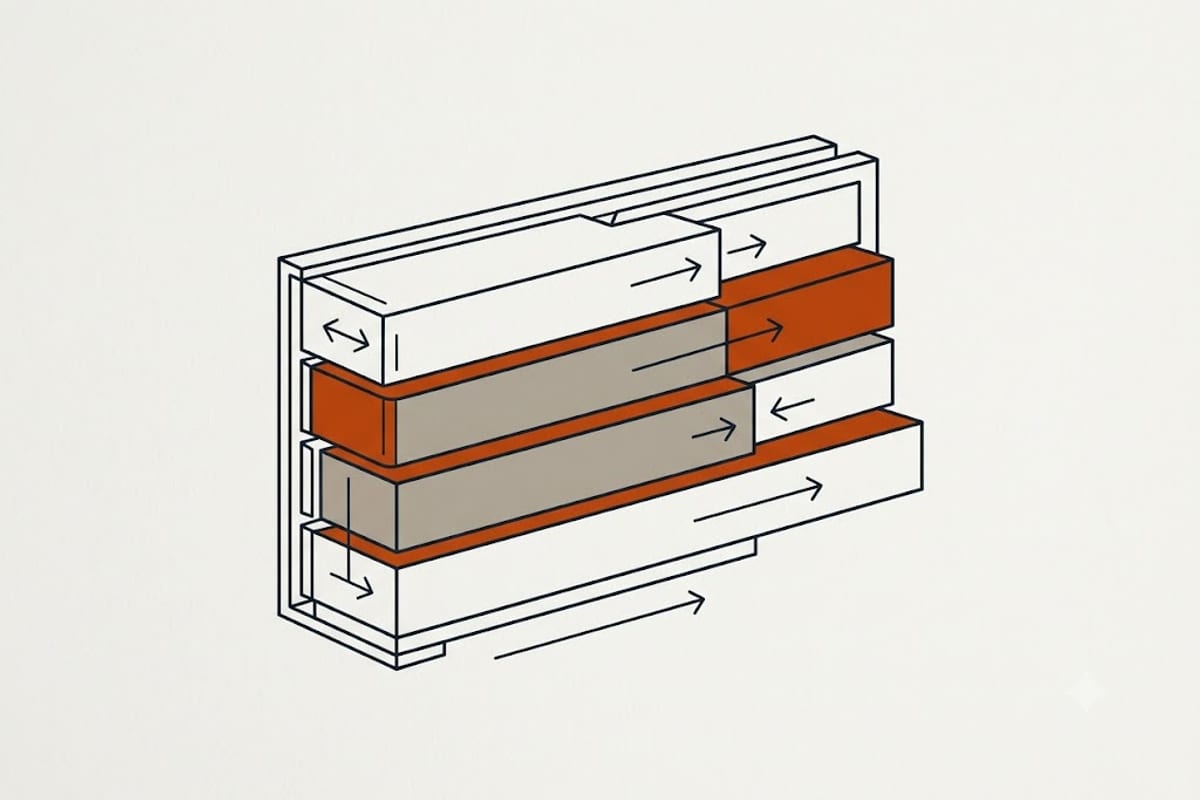
What sits inside the per-pier price
Excavation at that location. The pier itself and its bracket. Installation labour and equipment time. Backfill.
What varies within that, between quotes and between sites:
Depth. Deeper means more pier sections and more machine time. On a push pier job the depth is discovered rather than specified, and a quote based on an assumed depth can move.
Access. A pier location reachable by machine costs less than one behind a deck, under a bay window, or on a narrow side yard requiring hand excavation.
Pier type and capacity. A heavier-duty pier rated for a two-storey wall costs more than a light one.
The four lines outside the per-pier price
Interior piers. Cutting a slab inside the house, working in a finished room, and patching afterwards is a different operation from working outside. Where interior work is needed, ask for it priced separately.
Restoration. Landscaping, paving, patios and driveways disturbed by excavation. Frequently excluded, and on a house with mature planting or a paved surround it is a substantial number.
Cosmetic repair. Drywall, tile and trim damaged during lift. Almost always excluded.
Engineering. A structural engineer's report and, on some jobs, post-installation verification. Worth paying for separately.
Add those four and a per-pier comparison can invert entirely.
Why quotes vary so widely on one house
Three reasons, and only one is pricing.
Different pier counts, because contractors made different assumptions about load and about how far past the damage to extend.
Different scopes — one quoting stabilisation, another stabilisation and lift, a third including interior work.
Different pier types, with different capacities and different depths.
The way to compare is to have a structural engineer specify the scope — count, location, type, and intent — and then price that same scope. It is the only method that makes three numbers mean the same thing.
Warranty, and what it is worth
Most contractors offer a warranty on the piered sections, frequently described as lifetime. Read what it covers and what it excludes.
The questions that matter: does it cover only the piered locations or the whole foundation; is it transferable to a subsequent owner and at what cost; does it survive the contractor going out of business; and what does it exclude — expansive soil movement and plumbing leaks are common exclusions and are also common causes.
A transferable warranty is a real asset at sale, and a non-transferable one is worth considerably less than it appears.
What to have before signing
A plan showing pier positions, the intent stated as stabilise or lift, floor elevation measurements taken beforehand, the warranty document rather than a description of it, and clarity on which of the four excluded lines above are your responsibility.
That set turns a per-pier price into a comparable quote, and it takes one conversation to obtain.
Financing and pressure selling
Foundation repair is sold in a situation where the homeowner is worried and does not know the subject, and the sales practices in parts of the industry reflect that. Same-day discounts, quotes that expire, and free inspections that always find work are all common.
None of that is a reason to avoid repair where it is needed. It is a reason to get the engineer's opinion first and the contractor quotes second, and to treat any pressure to decide immediately as information about the contractor rather than about the house.
What a second opinion costs
An independent structural engineer's assessment is a few hundred dollars in most markets. Against a repair running into five figures, it is the cheapest part of the process and the only part that is not sold by someone who benefits from the answer.
Where two contractors disagree substantially on pier count, the engineer's number settles it, and both contractors can then bid the same scope.